The best mode depends on your specific needs: air is best for urgency, while road and rail are ideal for cost-effective bulk transport over varying distances.

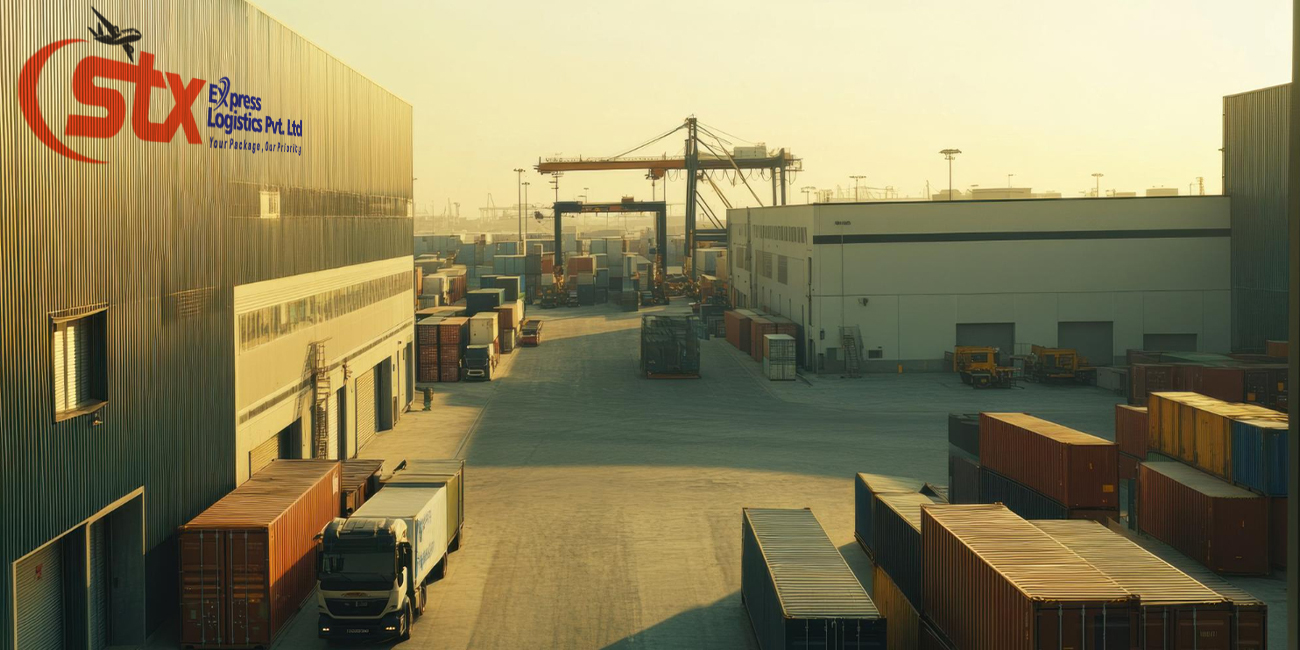
Domestic cargo refers to the transportation of goods within the borders of a single country. This logistics category covers a broad spectrum of items, including consumer products, raw materials, industrial machinery, and perishable goods.
The chosen mode of transport—whether by truck, train, ship, or air—depends on the nature of the cargo, distance, cost, and urgency. Domestic cargo services are a vital component of the national supply chain, supporting industries and enabling commerce. By ensuring the efficient movement of goods across regions, these services maintain business continuity and high levels of customer satisfaction.
Domestic cargo transportation is a step-by-step process designed to ensure the safe and timely movement of goods:
1. Booking and Scheduling : The shipper initiates the process by booking a service and selecting a transport mode based on the goods, budget, and timeline.
2. Packaging and Labeling : Goods are professionally packaged to prevent damage, with labels clearly indicating the destination, weight, and handling instructions.
3. Pickup and Collection : The carrier collects the prepared cargo from the shipper’s location using suitable vehicles like trucks or trains.
4. Transportation : Cargo is moved via the most efficient route, with the mode of transport determined by distance and urgency.
5. Tracking and Monitoring : Shippers and recipients monitor the cargo’s status in real-time using logistics software for transparency.
6. Compliance : The carrier manages all necessary documentation for inter-state movements to ensure legal compliance.
7. Delivery : Upon arrival, the cargo is unloaded, its condition is verified, and the recipient confirms delivery.
8. Payment and Invoicing : The shipper completes payment for transportation and handling, and an official invoice is issued.
Find answers to common questions about our air, rail, and surface services. We provide clear details on tracking, safety, and our tailored door-to-door logistics.