The decision is usually based on time and cost. You should choose air freight for high-value or urgent items that need to arrive quickly.

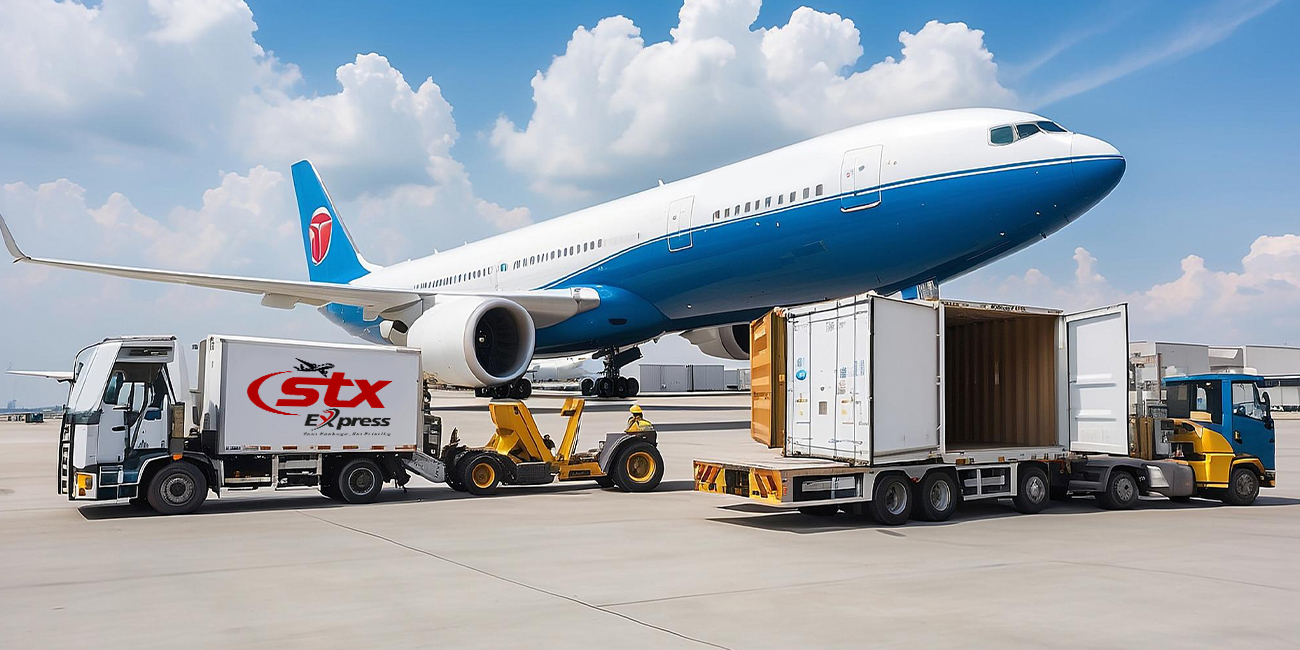
International cargo involves the transportation of goods between different countries, typically facilitated through air freight. This global exchange is driven by supply and demand; for example, India imports crude oil from the Middle East to meet high demand while exporting commodities like grains and textiles to the same regions.
The transport mode is chosen based on the cargo's nature: air freight is utilized for time-sensitive or high-value items. International cargo is a fundamental pillar of global trade, supporting economies and ensuring product availability worldwide.
International logistics is a specialized multi-step process designed to move goods securely across borders:
1. Manufacturing & Packaging : Products are manufactured and securely packaged to withstand international transit. The choice of transport (air, rail, or road) depends on the cargo's size, value, and urgency.
2. Transport to Freight Carrier : Prepared goods are moved to a departure point—such as a port, airport, or rail terminal—and handed over to the freight carrier.
3. Customs & Regulations : Authorities in both the exporting and importing countries inspect the cargo. They verify documentation, apply tariffs or taxes, and ensure the shipment meets all legal and safety standards.
4. Final Delivery : Once customs clearance is granted in the destination country, the goods are released for final delivery to a distribution center, retailer, or end customer.
Find answers to common questions about our air, rail, and surface services. We provide clear details on tracking, safety, and our tailored door-to-door logistics.